





Healthy Foods
Salmon
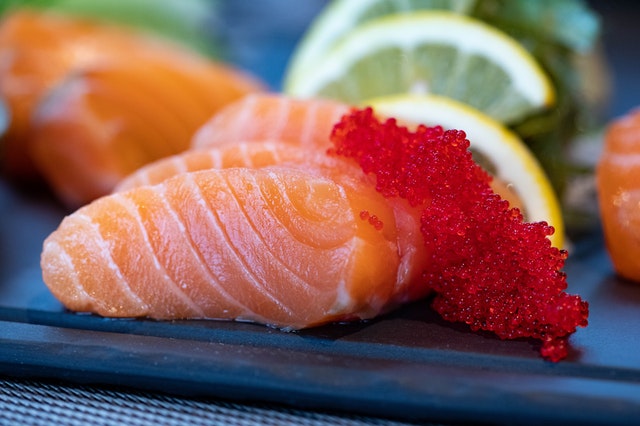 Full of protein and healthy omega-3 fatty acids -- which boost our circulatory systems and our brains -- fish are great for us. While some fish have accumulated high levels of toxic mercury in their bodies, salmon appears on Healthline.com's list of the healthiest fish to eat
Oatmeal
 If you don't add lots of sugar or salt, Oatmeal is a whole-grain full of healthy fiber, phytochemicals, vitamins B and E, and minerals. Oatmeal processing changes the size and shape of the oats but doesn't affect its healthiness, so you can eat them rolled, quick/instant, steel-cut, or as more naturally shaped groats. Oatmeal contains many antioxidants, lowers harmful cholesterol, reduces inflammation, and improve digestion and gut health.
Blueberries
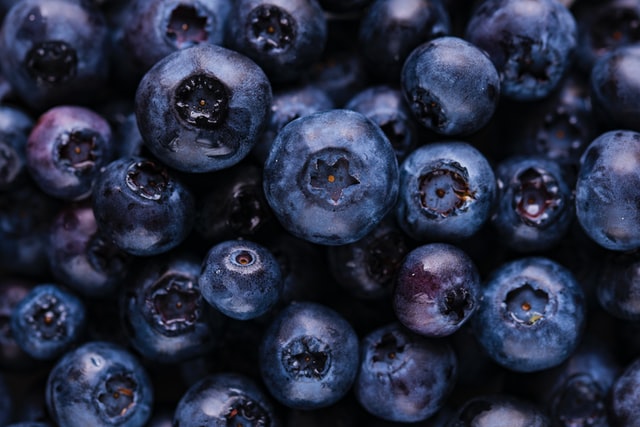 Blueberries are delicious and extremely healthy, full of antioxidants. One academic study published in The American Journal of Clinical Nutrition claims "eating 150g of blueberries daily reduces the risk of cardiovascular disease by up to 15%"
Seeds
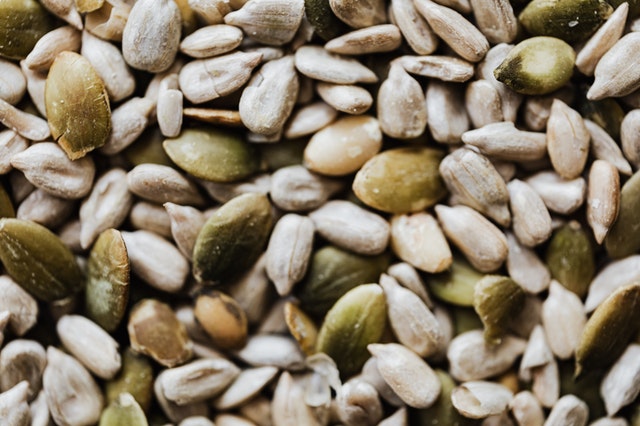 I keep a bag of seeds within reach and find them to be a very healthy snack. Some seeds to consider: 9 Super Seeds Are Small but Mighty
Avocado
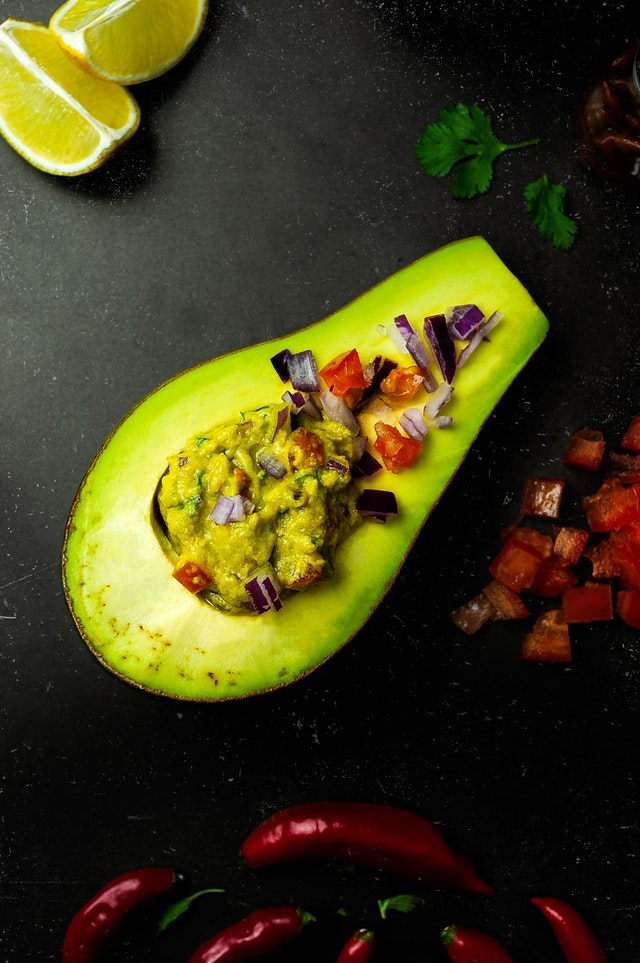 Avocados are so delicious and healthy that the only question is Can You Eat Too Much Avocado?. Use them to make guacamole! I'm lucky because my wife often splits an avocado and gives me the other half.
Nuts
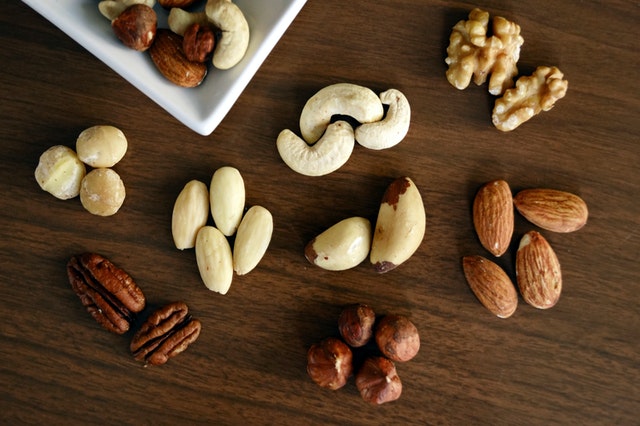 Nuts are a great snack because you can leave them by your desk in a sealed bag for weeks and yet they're very good for you: Nuts and your heart: Eating nuts for heart health (Mayo Clinic)
Cod
 Along with herring, mahi-mahi, mackerel, perch, trout, sardines, bass, certain tunas, pollock, and Arctic char, cod also appears on Healthline.com's list of the healthiest fish to eat
Olives & olive oil
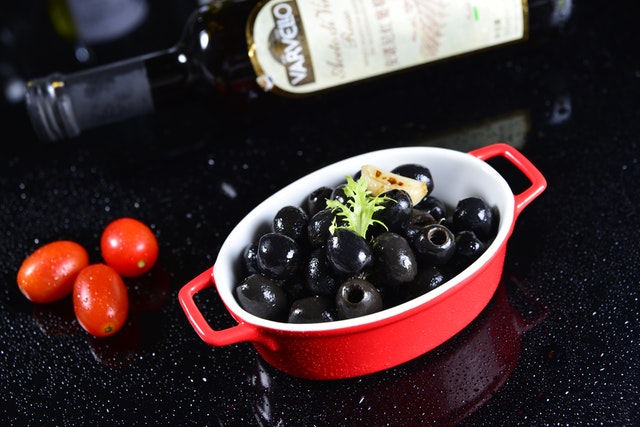 Olives contain lots of oleic acid, a heart-healthy fatty acid. I always try to get olives on my pizza and sometimes just open a jar/can and chow down: Olives 101: Nutrition Facts and Health Benefits
Mango
 Mango is -- in my objective opinion -- the tastiest fruit in the world. It is also full of vitamin C and other vitamins, and "is packed with polyphenols — plant compounds that function as antioxidants. It has over a dozen different types, including mangiferin, catechins, anthocyanins, quercetin, kaempferol, rhamnetin, benzoic acid"
Dark chocolate
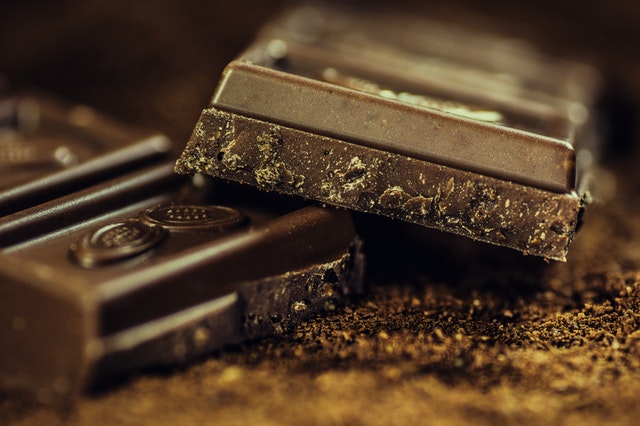 There is substantial scientific evidence for dark chocolate providing multiple health benefits (7 Proven Health Benefits of Dark Chocolate), but avoid super sweet & creamy "chocolate" that's mostly milk and sugar
Fruit (unprocessed)
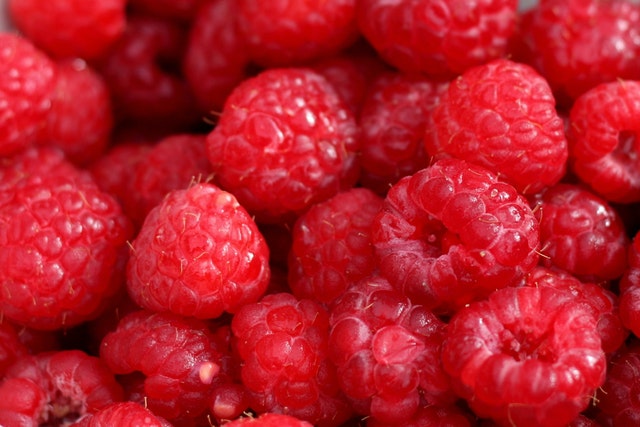 Fruit juice is mostly sugar, but raw fruit is tasty and reasonably healthy: Is Fruit Good or Bad for Your Health? The Sweet Truth
Coffee
 If you're like me, coffee is your favorite drug. If so, rest assured coffee is actually quite healthy: 13 Health Benefits of Coffee, Based on Science, but try to keep your addiction moderate because caffeine withdrawal can give you nasty headaches
Beans
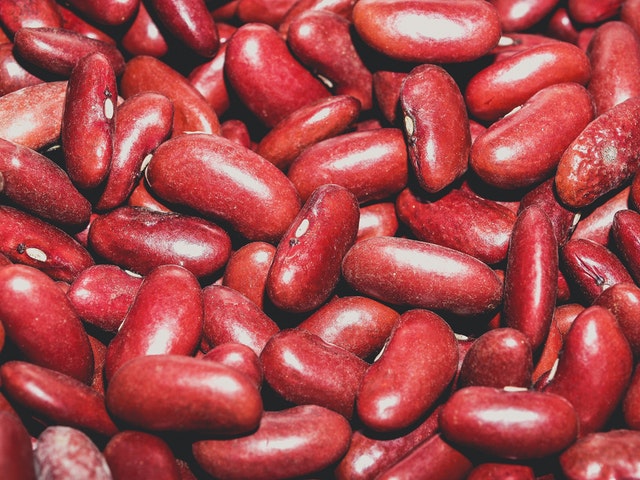 I love beans -- especially black beans in my burritos -- and my body does too! Beans 101: Cheap, Nutritious, and Super Healthy
Tumeric (spice)
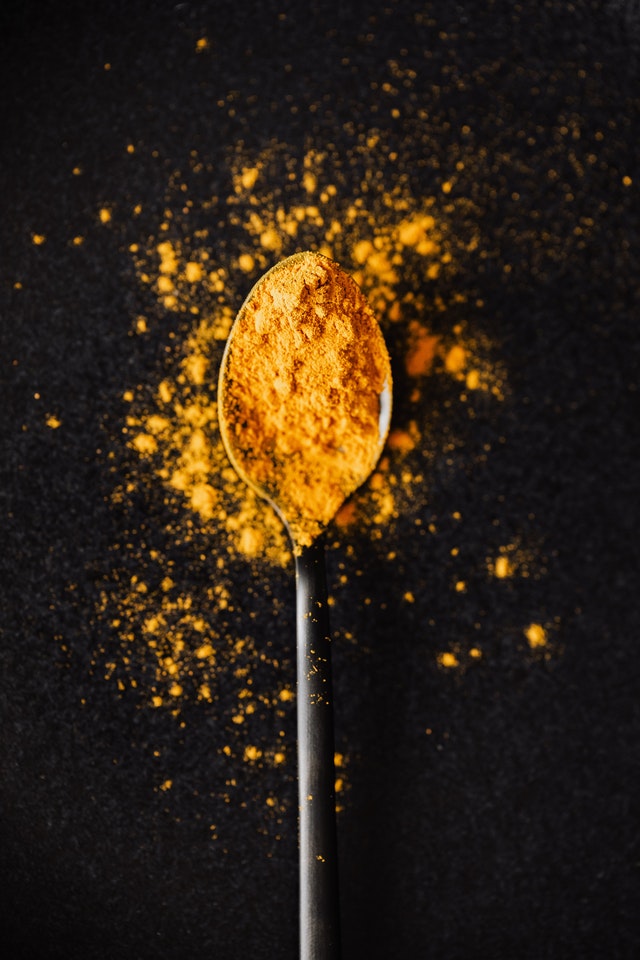 Tumeric is an amazingly healthy spice, prized in parts of the world for its medicinal value: What Are the Health Benefits of Turmeric?. I sprinkle some liberally on anything spicy I eat, like Madras lentils, to which I add salsa sauce and tumeric.
RXBARs
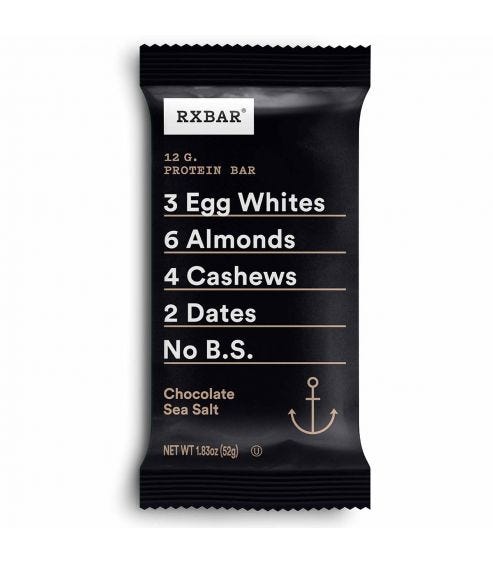 I noticed RXBARs when I saw a squash coach eating them. Made with natural ingredients like dates, cashews, almonds, and egg whites and no added sugar, they're a reasonably healthy snack, esp. if you might instead eat a candy bar or even a granola bar with lots of added sugar: Are RXBARs Actually Healthy? I love that they last a long time and can live in a backpack or sports bag for weeks or months, ready to be eaten on the go
Water
 You are 55% to 65% water and water is so "essential" that the Mayo Clinic recommends you drink at least 11.5 cups (women) or 15.5 cups (men) a day. I keep a big BPA-free plastic water bottle with me all day. Water lubricates our joints, flushes toxins from our bodies, helps digest food, moves nutrients and oxygen around our bodies, regulates our temperature, keeps our skin strong, keeps our blood from becoming dangerously thick, protects against kidney stones, etc.
Vitamin D (in winter)
 Our bodies require Vitamin D, and insufficiency can lead to health problems like cancer, brain dysfunction, MS, and osteoporosis. When we get adequate sunlight, our skin produces vitamin D. But during wintertime -- esp. for those living far from the Equator -- our bodies can't manufacture enough. We get some from fatty fish and vitamin D-fortified foods, but it can be wise to take a vitamin D supplement (in a multivitamin or a drop from a small bottle of Vitamin D) during the winter to ensure your body gets enough. Dr. Fauci said, "If you are deficient in vitamin D, that does have an impact on your susceptibility to infection. So I would not mind recommending — and I do it myself — taking vitamin D supplements." Vitamin D "patients who were vitamin D-sufficient -- a blood level of at least 30 nanograms per milliliter -- had a significantly lower risk for serious complications from COVID-19, including losing consciousness, low blood oxygen levels and death. Among patients older than 40, those who were vitamin D-sufficient were also 51.5% less likely to die from COVID-1". And Vitamin D is even in a clinical trial as a possible COVID-19 treatment
Spinach pasta
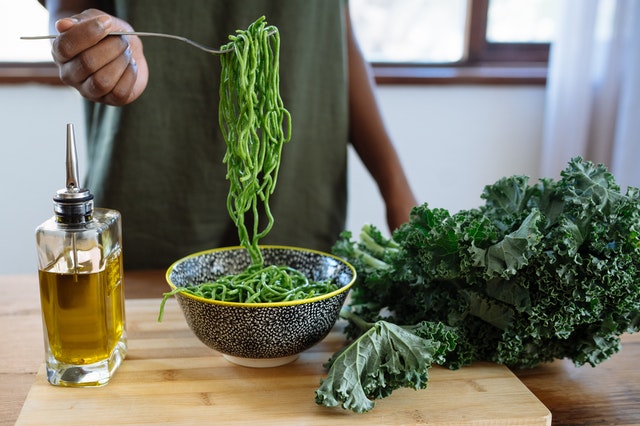 I grew up eating pasta, but I'm happier now after discovering spinach and other kinds of spaghetti & linguini with veggies. It's tastier, prettier, and somewhat healthier! You can make your own or buy from brands like De Cecco and Barilla. (I prefer De Cecco because it seems to have more spinach.) You'd probably be even better off eating a pile of spinach and a smaller portion of ordinary pasta, but spinach pasta requires zero extra effort.
Soba noodles
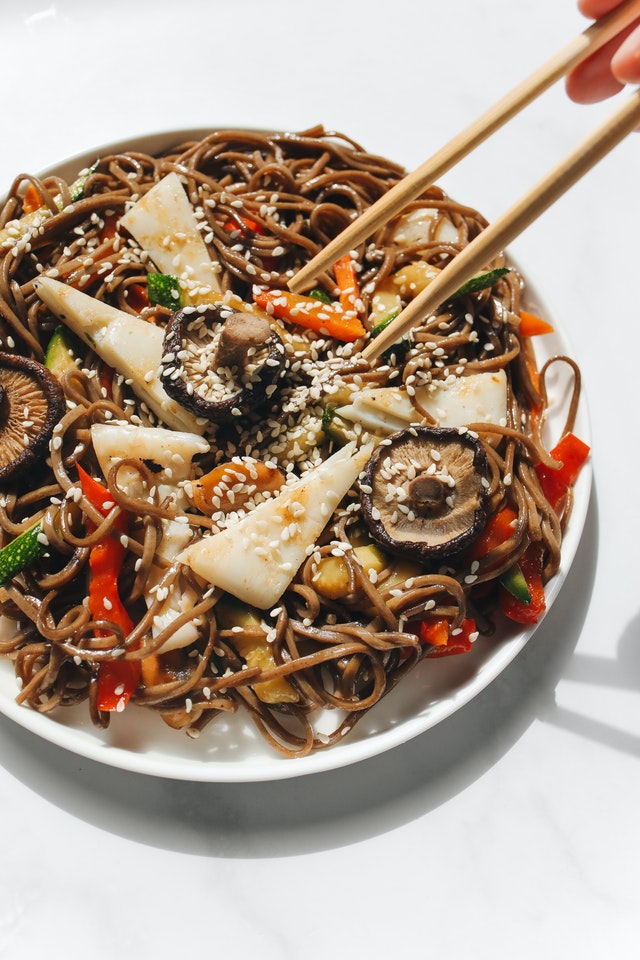 Soba noodles (a.k.a. buckwheat noodles) contain nutrients like manganese and thiamin. "Buckwheat provides more protein per serving than any other grain except for oats, reports the Whole Grains Council. Each cup of cooked buckwheat noodles has 6 grams of protein, or approximately 12 percent of the RDA for a healthy adult." They're also tastier!
Walnuts
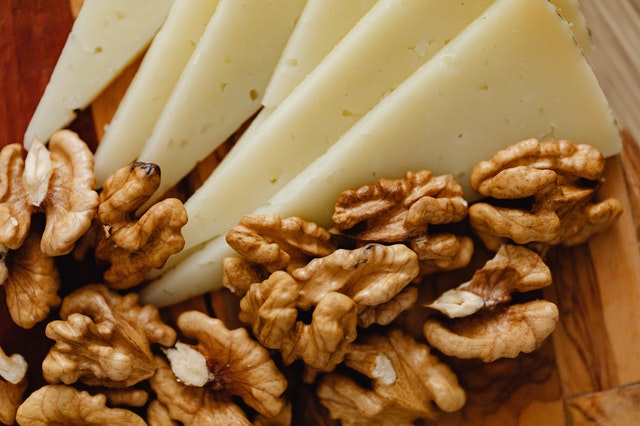 I keep a bag of walnuts at my desk (alongside bags of pistachios and mixed nuts) because there is evidence eating walnuts is good for your cardiovascular system (blood pressure, cholesterol, etc.). Walnuts are full of "good fats": polyunsaturated fat and omega-3 fatty acids, suggesting they may help clean your arteries and reduce harmful inflammation. Walnuts may even boost your brain, gut health, and male reproductive health while lowering your cancer risk.
Broccoli
 Broccoli is my favorite vegetable, partly because it's full of vitamins, minerals, antioxidants, and inflammation-reducing compounds